

Driving down the road and suddenly seeing the “Check Engine” light glow can instantly trigger panic, making you fear a major engine breakdown, a massive repair bill, or being stranded.
However, before you stress, take a deep breath. In most cases, this light doesn’t mean your car is about to self-destruct—it can even be triggered by something as simple as a loose gas cap. In this article, we’ll break down what this warning light actually means, the 7 most common reasons it pops up, and what you should do next to protect both your car and your wallet.
What Does the Check Engine Light Mean?
The check engine light is triggered by your car’s onboard computer (ECU) whenever it detects an issue within the engine or emissions system. However, how you should respond depends entirely on the light’s behavior:
- Solid Light: If the light stays steadily illuminated, your car is usually safe to drive short-term, but you should visit a mechanic soon to diagnose the issue.
- Flashing Light: If the light is blinking, pull over safely immediately. This is an urgent warning indicating an engine misfire, where unburnt fuel can quickly overheat and permanently destroy your catalytic converter.
7 Common Reasons Why Your Check Engine Light Is On
- Loose or Damaged Gas Cap One of the easiest and most common culprits is a faulty or loose gas cap. When the cap doesn’t seal tightly, fuel vapors escape, causing a pressure drop in your fuel system. Fortunately, simply tightening or replacing the cap often clears the warning light.
- Faulty Oxygen (O2) Sensor The oxygen sensor monitors the amount of unburned oxygen in your exhaust system. If it fails, your engine’s fuel efficiency drops significantly, and a neglected sensor can eventually cause severe damage to your catalytic converter.
- Failing Catalytic Converter Your car’s catalytic converter plays a vital role in reducing harmful emissions by converting toxic gases into safer ones. It rarely breaks down on its own, usually failing because other underlying issues—like a broken O2 sensor or worn spark plugs—were left unchecked for too long.
- Worn Spark Plugs and Wires Over time, spark plugs and ignition wires degrade and fail to ignite fuel properly. This causes engine misfires and poor fuel economy. If your check engine light starts flashing, it’s often due to bad spark plugs, signaling you to pull over safely right away.
- Mass Airflow (MAF) Sensor Failure The MAF sensor measures the volume of air entering the engine so the computer can calculate the correct amount of fuel needed. When this sensor malfunctions, it sends incorrect data, leading to rough idling, stalling, and poor performance.
- Bad Ignition Coils Ignition coils supply the high voltage needed for spark plugs to fire. When a coil goes bad, it stops the plug from working properly, resulting in noticeable engine shaking, a rough idle, and misfires.
- Vacuum Leaks and Damaged Hoses Your engine relies on a network of rubber vacuum hoses to manage air pressure and emissions. As these hoses age, they dry out, crack, and leak air, throwing off the delicate air-fuel balance required for smooth engine operation.
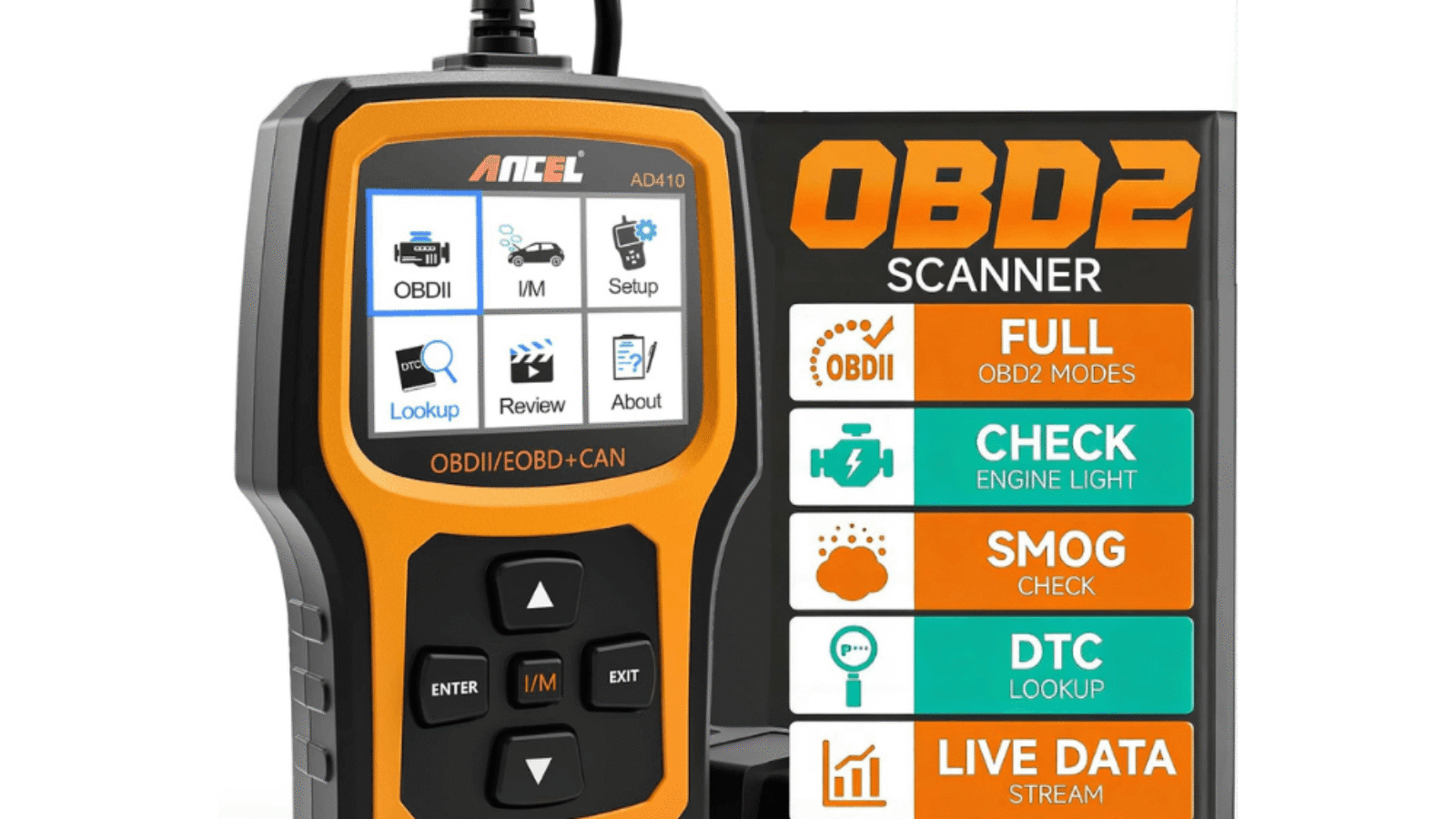
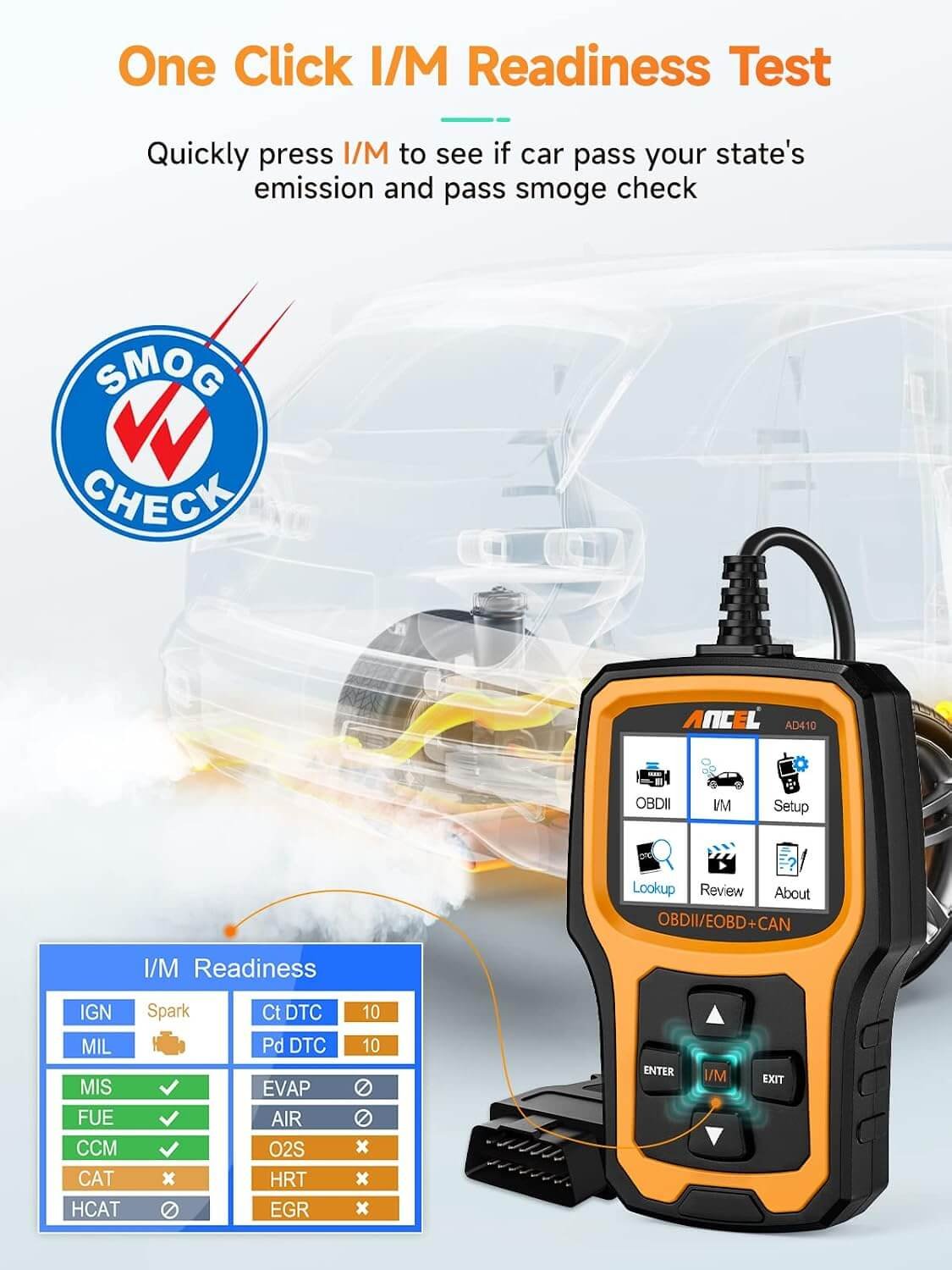
How to Check the Error Code Yourself (OBD-II Scanner)
- Find the Port: Look under the driver’s side dashboard near your knees or steering column for a small 16-pin plug.
- Connect the Scanner: With the engine off, plug your scanner in. Turn the ignition to the “On” position (dash lights on, engine off) without starting the car.
- Read the Code: Turn on the device, select “Read Codes,” and note down any code that pops up (like P0301). Then search it online with your car model.
- Clear the Code: Once you fix the issue, select “Erase Code” on the scanner to turn off the light, then unplug it.
Is It Safe to Drive with the Check Engine Light On?
The short answer is: It depends on the light.
If the check engine light is solid, your car is generally safe to drive for a short distance—like driving home or straight to a mechanic. However, you shouldn’t ignore it for weeks.
On the other hand, if the light is flashing or blinking, you must stop driving immediately and pull over in a safe spot. A flashing light means unburnt fuel is entering the exhaust, which can quickly overheat and completely destroy your catalytic converter, leading to a massive repair bill.
Conclusion
Dealing with a check engine light doesn’t have to be a stressful nightmare. Most of the time, it’s just a reminder to tighten your gas cap or swap out an old part before it causes bigger trouble.
The golden rule to remember is simple: a steady light means book a mechanic appointment soon, while a flashing light means pull over right now. By keeping an eye on your car’s symptoms, scanning error codes early, and taking care of minor fixes before they snowball, you’ll save yourself from massive repair bills and keep your ride running smoothly for miles to come.