
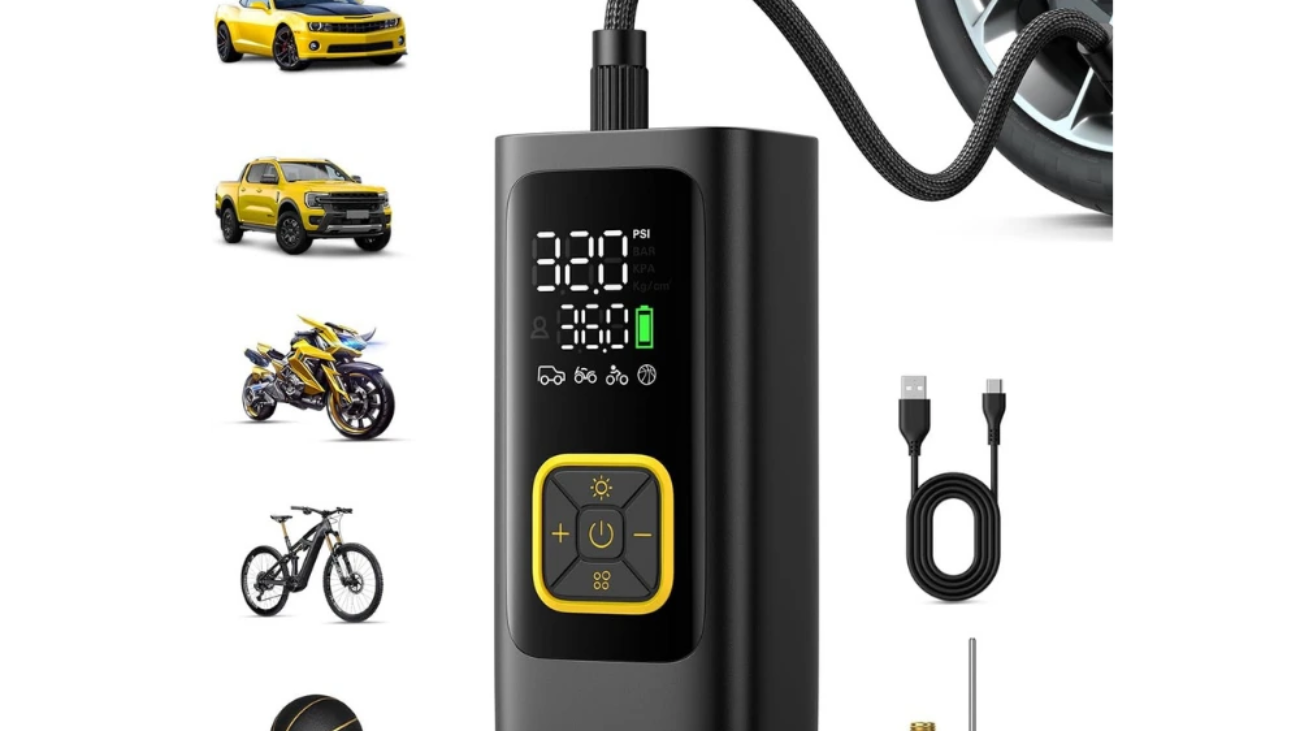
Ever walk up to your car and notice one tire looks a little lower than the others?
You fill it with air, drive for a few days, and everything seems fine. Then the low tire pressure warning comes back again.
If this keeps happening, you may have a slow tire leak.
A tire that repeatedly loses air can affect handling, fuel efficiency, and tire wear. So, why does it happen?
Let’s look at the most common causes, how to check for a leak, and what you can do when your tire keeps losing pressure.
Why Does My Tire Keep Losing Air?
Tires naturally lose a small amount of air over time, especially as temperatures change. But if you’re adding air every few days or once a week, there could be a problem.
A slow leak can come from a small puncture, a damaged valve stem, a bent wheel, or a poor seal between the tire and rim.
The tricky part is that some leaks are so small that they’re difficult to notice.
7 Common Reasons Your Tire Keeps Losing Air
1. A Small Puncture
A small puncture is one of the most common causes of a tire losing air slowly.
A piece of glass, metal, or another sharp object can create a tiny hole in the tread. Instead of going flat immediately, the tire may slowly lose pressure over several days.
If the same tire keeps getting low, check the tread carefully for anything that could have caused a puncture.
2. A Nail or Screw in the Tread
A nail or screw stuck in the tread can also cause a slow tire leak.
The object may remain lodged in the tire, allowing air to escape gradually. That’s why you might not notice anything unusual while driving.
If you spot a nail or screw, don’t pull it out yourself. Removing it could cause the tire to lose air much faster. Have a tire professional inspect it instead.
3. A Leaking Valve Stem
The valve stem is the small part where you attach an air pump.
Over time, it can become cracked, damaged, or worn. The valve core can also develop a leak.
If there’s no obvious puncture in the tread, the valve stem is another place worth checking.
4. A Bent or Damaged Wheel
A hard pothole or curb impact can damage a wheel.
Even a slightly bent rim can prevent the tire from sealing properly, allowing air to escape slowly.
If your tire started losing pressure after hitting a pothole or curb, it’s a good idea to have both the tire and wheel inspected.
5. Temperature Changes
Not every drop in tire pressure means you have a leak.
Cold weather can cause tire pressure to decrease. That’s why you may see the tire-pressure warning light come on during a cold morning.
A common rule of thumb is that a 10°F (about 5.6°C) drop in temperature can reduce tire pressure by roughly 1–2 PSI.
So, if the weather suddenly gets colder, check the pressure before assuming your tire is damaged.
6. A Tire Bead Leak
The tire bead is the part of the tire that sits against the wheel.
If there’s dirt, corrosion, rust, or damage around this area, the seal may not remain airtight. Air can then slowly escape where the tire meets the rim.
These leaks can be difficult to spot, so a tire shop may need to inspect the bead and wheel.
7. An Old or Damaged Tire
Tires don’t last forever.
As rubber ages, it can develop cracks and other signs of deterioration. Heat, sunlight, road conditions, and normal use can all contribute to tire aging.
If you notice cracks, bulges, or other visible damage, don’t simply keep adding air. Have the tire inspected to determine whether it can still be safely used.
How Can You Check for a Slow Tire Leak?
You can do a couple of simple checks before taking the car to a tire shop.
Try the Soapy Water Test
Mix some dish soap with water and apply it around the tire tread, sidewalls, valve stem, and the area where the tire meets the wheel.
Watch closely for bubbles.
If bubbles continue forming in one spot, you may have found the leak.
If you can’t find anything but the tire continues losing air, have it professionally inspected.
Check the Tire Pressure
A simple tire-pressure gauge can help you keep track of what’s happening.
Check your tires when they’re cold and write down the readings. If one tire keeps dropping while the others remain fairly consistent, there’s a good chance something needs attention.
What Should You Do If Your Tire Is Losing Air?
Start by checking the tire pressure and inflating it to the vehicle manufacturer’s recommended PSI. You can usually find the recommended pressure on the sticker inside the driver’s door or in the owner’s manual.
Then inspect the tread for obvious nails, screws, or other objects.
If you find a puncture or the tire continues losing pressure, get it checked by a qualified tire professional. Simply adding air again and again won’t fix the underlying problem.
Airmoto Tire Inflator: A Handy Tool to Keep in Your Car
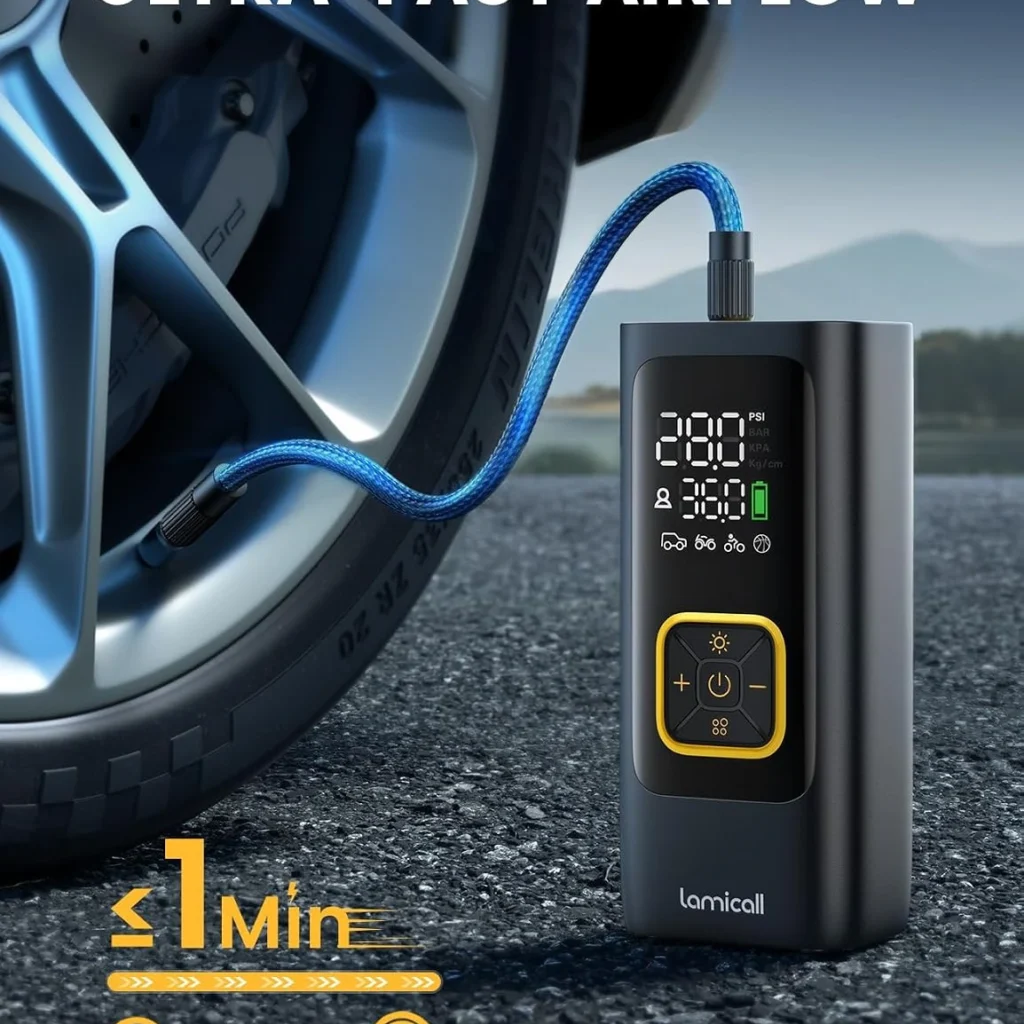
If you regularly deal with low tire pressure, keeping a portable tire inflator in your car can be useful.
The Airmoto Tire Inflator Portable Air Compressor for Cars, Bikes and Bicycles is designed to give you a convenient way to add air when your tire pressure drops.
Instead of looking for a gas station with an air pump, you can keep a portable inflator in your vehicle and use it when needed.
It’s particularly handy when you’re dealing with a slow leak. However, it’s important to remember that an inflator doesn’t repair the leak. It simply adds air so you can restore the tire to the recommended pressure temporarily while arranging a proper inspection or repair.
For drivers who want a compact emergency tool in the car, the Airmoto can be a practical addition to a basic car emergency kit.
Important: Always follow the manufacturer’s instructions and your vehicle’s recommended tire pressure. If the same tire keeps losing air, have it inspected instead of relying on the inflator alone.
When Should You Get the Tire Professionally Checked?
It’s a good idea to have your tire checked if:
- It loses a significant amount of pressure overnight.
- You find a puncture in the sidewall.
- You notice cracks, bulges, or other visible damage.
- The tire or steering wheel starts vibrating unusually.
- The same tire keeps losing pressure after being inflated.
- You’ve recently hit a major pothole or curb.
Sidewall damage deserves special attention because it generally cannot be safely repaired like a typical tread puncture.
Final Thoughts
So, why is my tire losing air?
It could be a small nail, screw, puncture, leaking valve stem, damaged wheel, temperature change, bead leak, or an aging tire.
The important thing is not to ignore repeated pressure loss.
Check your tire pressure regularly and investigate any tire that keeps going flat. A portable inflator such as the Airmoto can be useful for adding air when you’re away from a gas station, but remember that it won’t fix the cause of the leak.
If the pressure keeps dropping, get the tire professionally inspected before the problem becomes more serious.