
Untitled (1200 x 630 px) (1000 x 1000 px) (7)

Why Is My Phone Battery Dying So Fast? 7 Things That Drain It

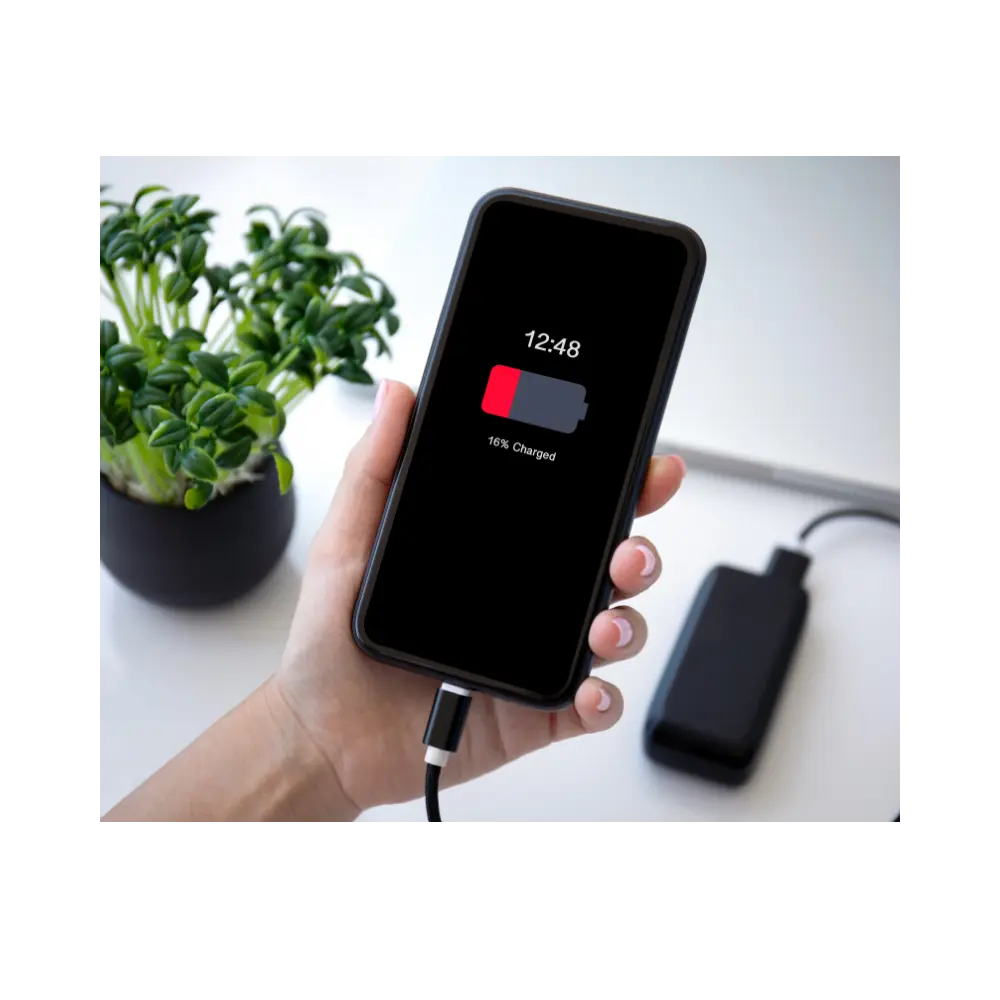
You pull your smartphone off the charger at 100% in the morning, but by midday—without even heavy usage—the battery plummets below 20%. Whether you’re rushing to an important meeting or trying to make an urgent call while on the move, nothing is more frustrating than a phone that dies right when you need it most.

If you’ve ever found yourself asking, “Why is my phone battery draining so fast?” you are definitely not alone. The good news is that you don’t necessarily need a brand-new phone to fix this. Often, a few minor tweaks to your device settings can instantly extend your daily battery life.

In this guide, we’ll break down the 7 major reasons why your phone battery drains so quickly and how you can easily fix them. Plus, we’ll look at the ultimate on-the-go backup solution—a reliable Portable Power Bank—to ensure you never get caught with a dead screen again!
Tip 1: Check and Restrict Background App Refresh

You know that feeling when you check your battery usage and realize social media apps have been running in the background for hours without you even opening them? Apps love to update their feeds, fetch new messages, and track your activity while your phone is sitting idle in your pocket.

  • The Fix: Head over to your phone settings and turn off “Background App Refresh” for apps that don’t genuinely need it. It’s an easy tweak that stops invisible battery drain instantly.

Tip 2: Manage Screen Brightness and Timeout Settings

Let’s be honest—having your screen cranked up to 100% brightness all day looks great, but it’s basically an open fire burning through your battery life. Add a long screen timeout (like 5 or 10 minutes) to that, and your display stays lit long after you’ve set the phone down.

  • The Fix: Drop your brightness to a comfortable middle ground or switch on Auto-Brightness. Also, lower your screen timeout to 30 seconds. Your eyes (and your battery) will thank you.

Tip 3: Turn Off Unnecessary Location Services & GPS

Does that random photo editing or gaming app really need to know your exact GPS coordinates 24/7? Constantly pinging satellites to track your location is one of the heaviest things a smartphone can do.

  • The Fix: Go through your location permissions and change them from “Always Allow” to “While Using the App” (or block them entirely if they don’t need location at all).

Tip 4: Reduce Push Notifications and Sync Frequency

Every time a notification pops up on your lock screen—whether it’s a breaking news alert, a game reminder, or a promotional email—your phone’s display wakes up and its processor kicks into gear. Multiply that by a hundred notifications a day, and it adds up to massive battery loss.

  • The Fix: Disable push notifications for non-essential apps. Set your email sync from “Push” (instant) to “Manual” or fetch every hour. You’ll get fewer distractions and a lot more screen-time.

Tip 5: Deal with Weak Cellular Network Signals

Have you ever noticed your phone getting unusually warm and dying fast when you’re in a basement, traveling through a remote area, or stuck in a bad reception zone? When signal bars drop, your phone panics, pumping maximum power into its internal antennas trying to find a tower.

  • The Fix: If you’re stuck in a dead zone for a while, flipping on Airplane Mode or turning on Wi-Fi calling can completely stop your phone from wasting energy fighting for a signal.

Tip 6: Check Your Battery Health

Sometimes, no matter how many settings you tweak, your phone battery is simply aging and losing its original capacity. Lithium-ion batteries degrade over time, meaning they just can’t hold a charge like they used to.

  • The Fix: Head over to your phone’s battery settings and check your battery health percentage. If it’s heavily degraded, you might need a battery replacement soon.

Tip 7: The Ultimate Fix — Grab the INIU 20000mAh Portable Power Bank!

What happens when you’re traveling, out with friends, or stuck away from a wall socket all day? That’s where you need a reliable backup plan.

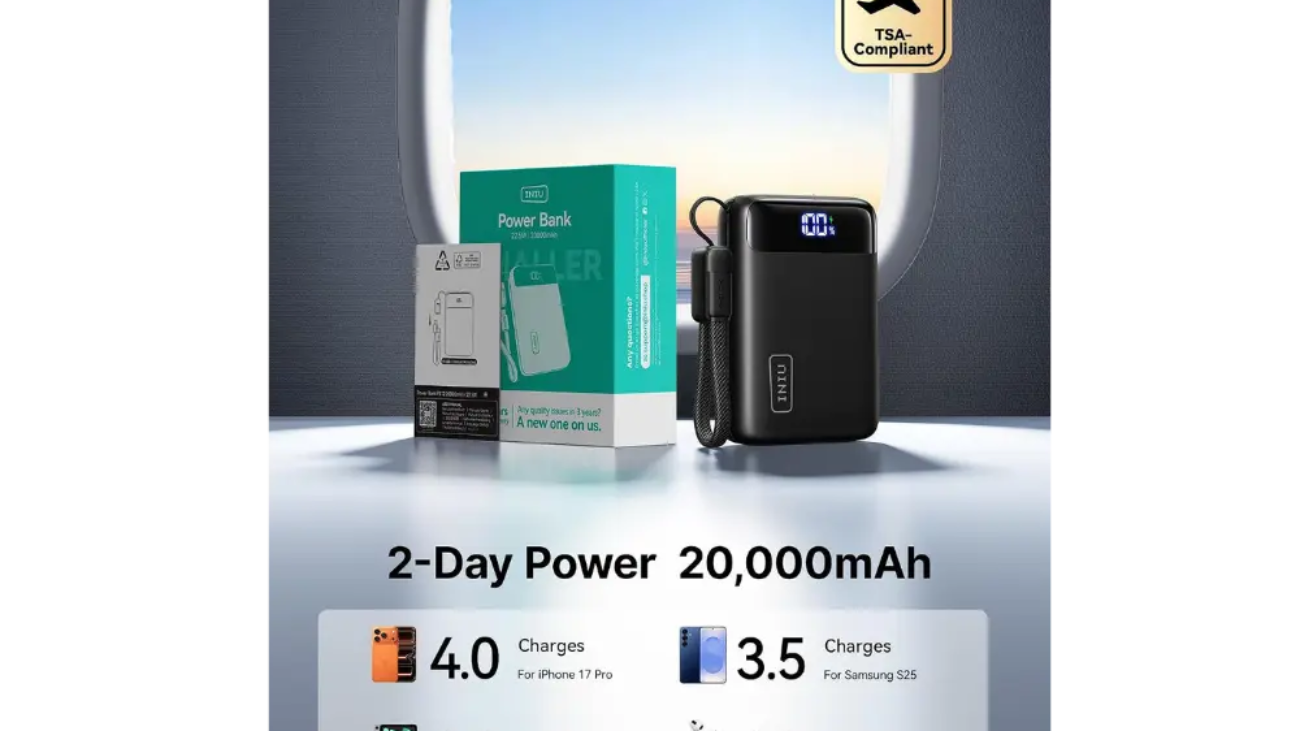
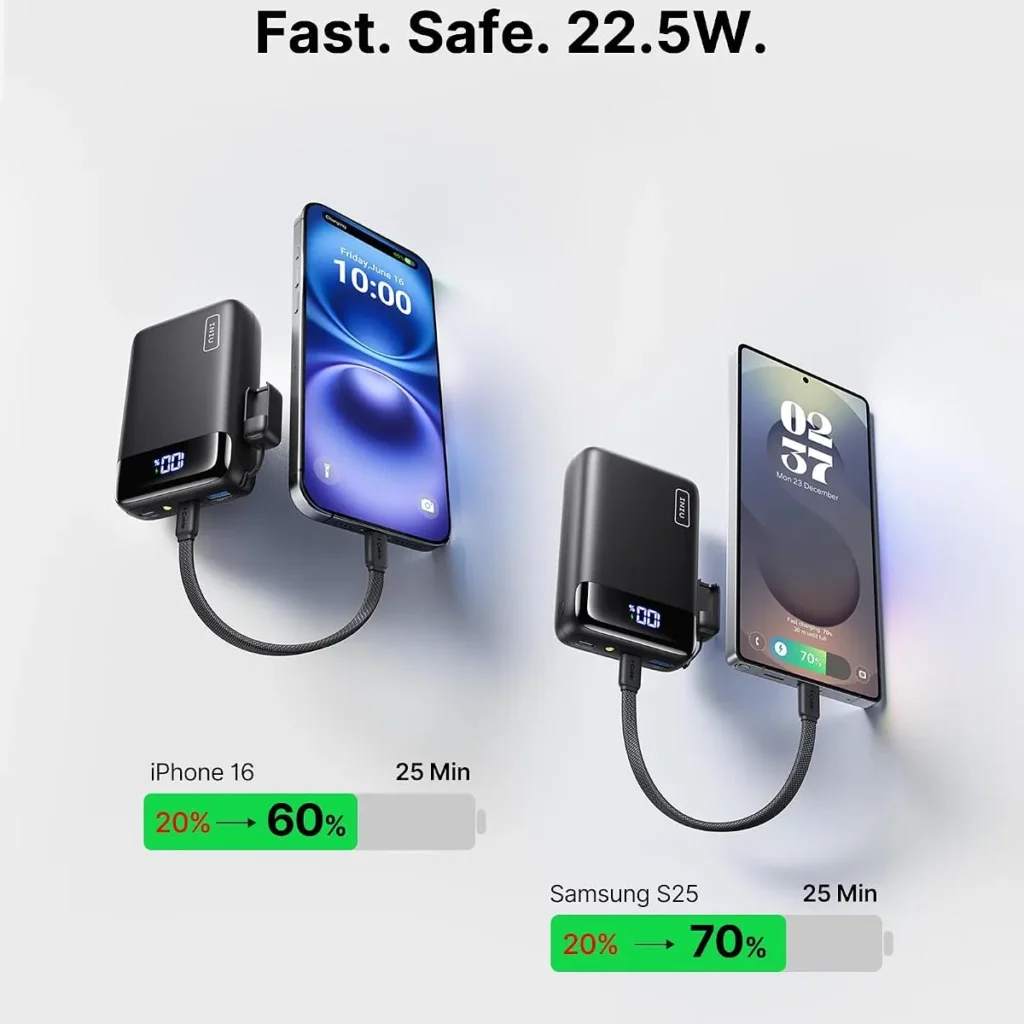
  • The Solution: Instead of stressing over a dying phone, slip the INIU Smallest 20000mAh 22.5W Fast Charging Power Bank from GadgetHive into your backpack. With its massive capacity and ultra-fast 22.5W charging speeds, it can juice up your phone multiple times anywhere, anytime—ensuring you stay connected 24/7 without ever hitting 0% again!
Untitled (1200 x 630 px) (1000 x 1000 px) (5)

Why Is My Tire Losing Air? 7 Common Causes of a Slow Leak

Ever walk up to your car and notice one tire looks a little lower than the others?

You fill it with air, drive for a few days, and everything seems fine. Then the low tire pressure warning comes back again.

If this keeps happening, you may have a slow tire leak.

A tire that repeatedly loses air can affect handling, fuel efficiency, and tire wear. So, why does it happen?

Let’s look at the most common causes, how to check for a leak, and what you can do when your tire keeps losing pressure.

Why Does My Tire Keep Losing Air?

Tires naturally lose a small amount of air over time, especially as temperatures change. But if you’re adding air every few days or once a week, there could be a problem.

A slow leak can come from a small puncture, a damaged valve stem, a bent wheel, or a poor seal between the tire and rim.

The tricky part is that some leaks are so small that they’re difficult to notice.

7 Common Reasons Your Tire Keeps Losing Air

1. A Small Puncture

A small puncture is one of the most common causes of a tire losing air slowly.

A piece of glass, metal, or another sharp object can create a tiny hole in the tread. Instead of going flat immediately, the tire may slowly lose pressure over several days.

If the same tire keeps getting low, check the tread carefully for anything that could have caused a puncture.

2. A Nail or Screw in the Tread

A nail or screw stuck in the tread can also cause a slow tire leak.

The object may remain lodged in the tire, allowing air to escape gradually. That’s why you might not notice anything unusual while driving.

If you spot a nail or screw, don’t pull it out yourself. Removing it could cause the tire to lose air much faster. Have a tire professional inspect it instead.

3. A Leaking Valve Stem

The valve stem is the small part where you attach an air pump.

Over time, it can become cracked, damaged, or worn. The valve core can also develop a leak.

If there’s no obvious puncture in the tread, the valve stem is another place worth checking.

4. A Bent or Damaged Wheel

A hard pothole or curb impact can damage a wheel.

Even a slightly bent rim can prevent the tire from sealing properly, allowing air to escape slowly.

If your tire started losing pressure after hitting a pothole or curb, it’s a good idea to have both the tire and wheel inspected.

5. Temperature Changes

Not every drop in tire pressure means you have a leak.

Cold weather can cause tire pressure to decrease. That’s why you may see the tire-pressure warning light come on during a cold morning.

A common rule of thumb is that a 10°F (about 5.6°C) drop in temperature can reduce tire pressure by roughly 1–2 PSI.

So, if the weather suddenly gets colder, check the pressure before assuming your tire is damaged.

6. A Tire Bead Leak

The tire bead is the part of the tire that sits against the wheel.

If there’s dirt, corrosion, rust, or damage around this area, the seal may not remain airtight. Air can then slowly escape where the tire meets the rim.

These leaks can be difficult to spot, so a tire shop may need to inspect the bead and wheel.

7. An Old or Damaged Tire

Tires don’t last forever.

As rubber ages, it can develop cracks and other signs of deterioration. Heat, sunlight, road conditions, and normal use can all contribute to tire aging.

If you notice cracks, bulges, or other visible damage, don’t simply keep adding air. Have the tire inspected to determine whether it can still be safely used.

How Can You Check for a Slow Tire Leak?

You can do a couple of simple checks before taking the car to a tire shop.

Try the Soapy Water Test

Mix some dish soap with water and apply it around the tire tread, sidewalls, valve stem, and the area where the tire meets the wheel.

Watch closely for bubbles.

If bubbles continue forming in one spot, you may have found the leak.

If you can’t find anything but the tire continues losing air, have it professionally inspected.

Check the Tire Pressure

A simple tire-pressure gauge can help you keep track of what’s happening.

Check your tires when they’re cold and write down the readings. If one tire keeps dropping while the others remain fairly consistent, there’s a good chance something needs attention.

What Should You Do If Your Tire Is Losing Air?

Start by checking the tire pressure and inflating it to the vehicle manufacturer’s recommended PSI. You can usually find the recommended pressure on the sticker inside the driver’s door or in the owner’s manual.

Then inspect the tread for obvious nails, screws, or other objects.

If you find a puncture or the tire continues losing pressure, get it checked by a qualified tire professional. Simply adding air again and again won’t fix the underlying problem.

Airmoto Tire Inflator: A Handy Tool to Keep in Your Car

If you regularly deal with low tire pressure, keeping a portable tire inflator in your car can be useful.

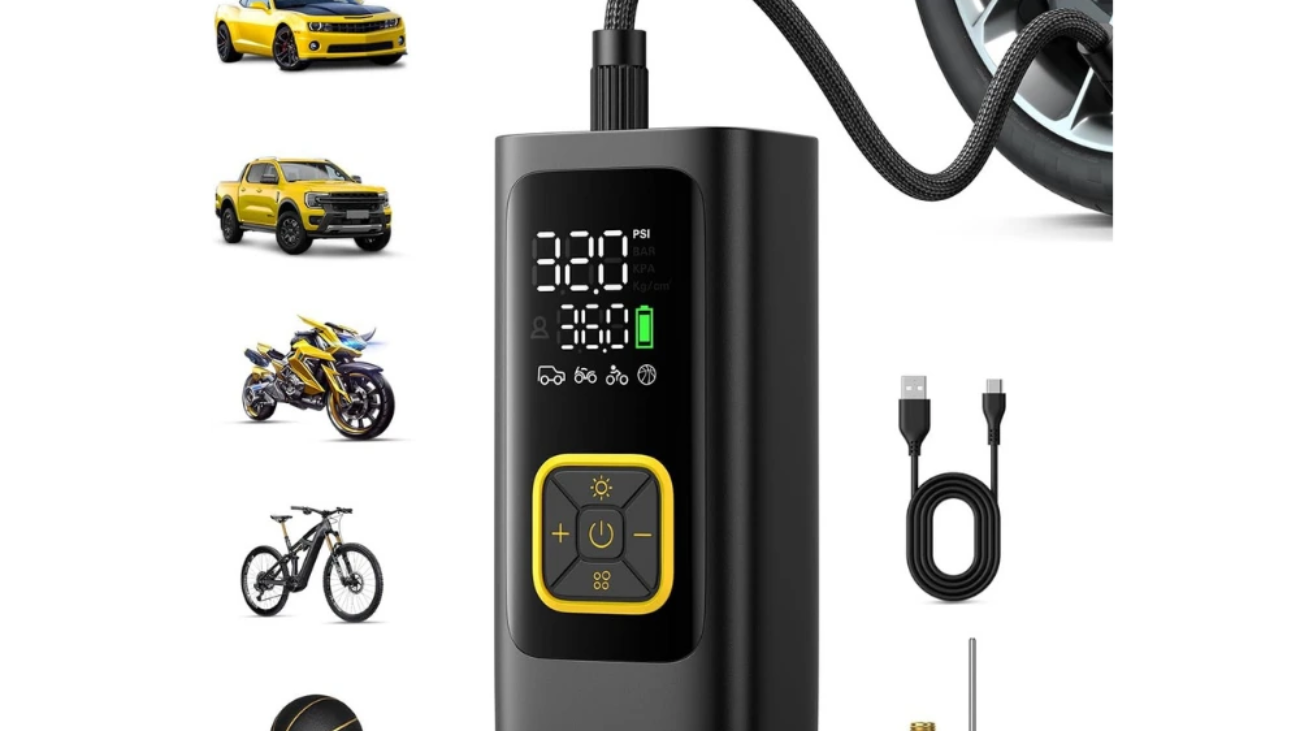
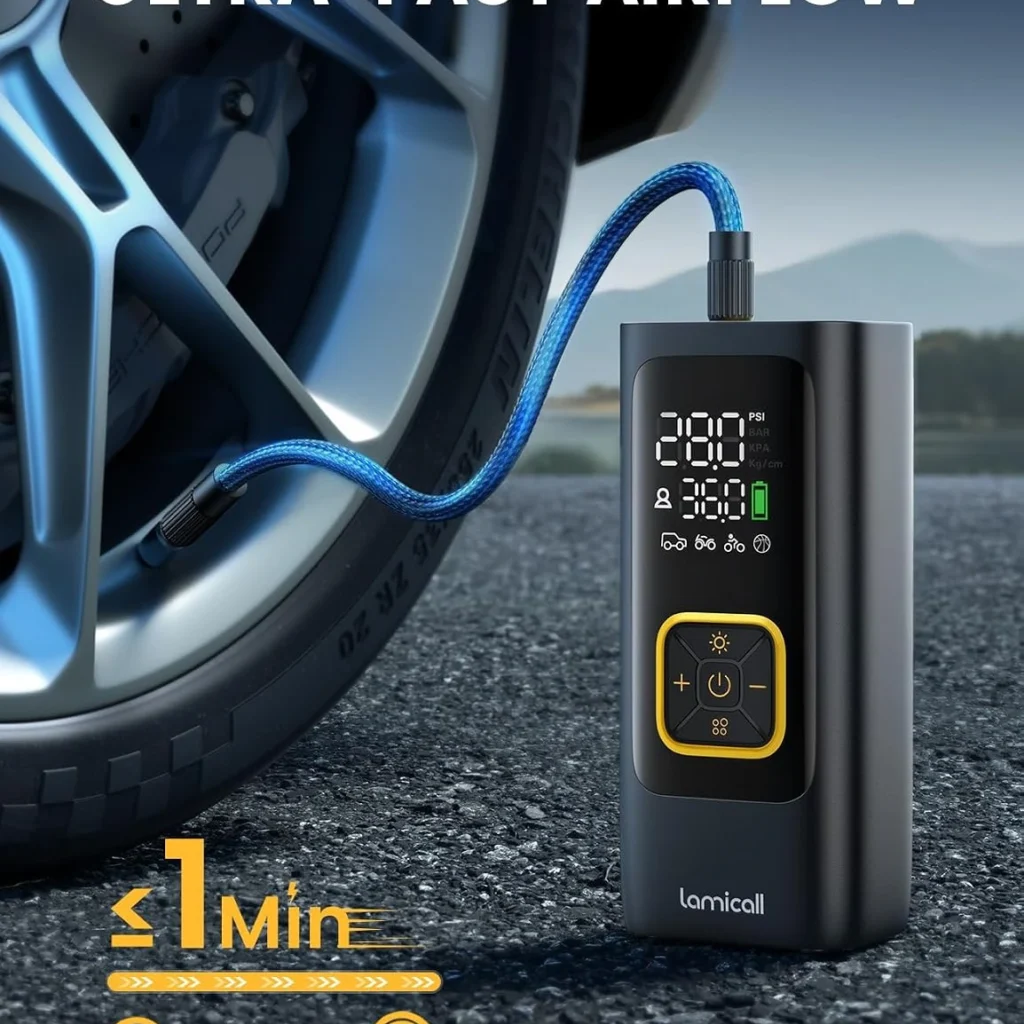
The Airmoto Tire Inflator Portable Air Compressor for Cars, Bikes and Bicycles is designed to give you a convenient way to add air when your tire pressure drops.

Instead of looking for a gas station with an air pump, you can keep a portable inflator in your vehicle and use it when needed.

It’s particularly handy when you’re dealing with a slow leak. However, it’s important to remember that an inflator doesn’t repair the leak. It simply adds air so you can restore the tire to the recommended pressure temporarily while arranging a proper inspection or repair.

For drivers who want a compact emergency tool in the car, the Airmoto can be a practical addition to a basic car emergency kit.

Important: Always follow the manufacturer’s instructions and your vehicle’s recommended tire pressure. If the same tire keeps losing air, have it inspected instead of relying on the inflator alone.

When Should You Get the Tire Professionally Checked?

It’s a good idea to have your tire checked if:

  • It loses a significant amount of pressure overnight.
  • You find a puncture in the sidewall.
  • You notice cracks, bulges, or other visible damage.
  • The tire or steering wheel starts vibrating unusually.
  • The same tire keeps losing pressure after being inflated.
  • You’ve recently hit a major pothole or curb.

Sidewall damage deserves special attention because it generally cannot be safely repaired like a typical tread puncture.

Final Thoughts

So, why is my tire losing air?

It could be a small nail, screw, puncture, leaking valve stem, damaged wheel, temperature change, bead leak, or an aging tire.

The important thing is not to ignore repeated pressure loss.

Check your tire pressure regularly and investigate any tire that keeps going flat. A portable inflator such as the Airmoto can be useful for adding air when you’re away from a gas station, but remember that it won’t fix the cause of the leak.

If the pressure keeps dropping, get the tire professionally inspected before the problem becomes more serious.

Untitled design - 2026-09-14T190043.655

Why Every Driver Needs a GPS Speedometer for Car Safety

GPS speedometers deliver real-time velocity calculations using satellite signals. They offer a level of precision that traditional mechanical systems simply cannot match.

The gap between what your car’s factory speedometer shows and your actual speed can often be significant. Sometimes it is off by 5 to 10 mph due to tire wear, changing gear ratios, and calibration drift.
GPS-based alternatives completely eliminate these hidden variables. They calculate your exact speed directly from satellite positioning data.

What is a GPS Speedometer for Car and How Does It Work?

Have you ever wondered why your car’s factory speedometer sometimes doesn’t match a roadside radar sign? Traditional factory gauges rely on mechanical cables and gear ratios attached to your transmission.

Over time, changing your tire size, natural wear and tear, or calibration drift will throw off those readings.

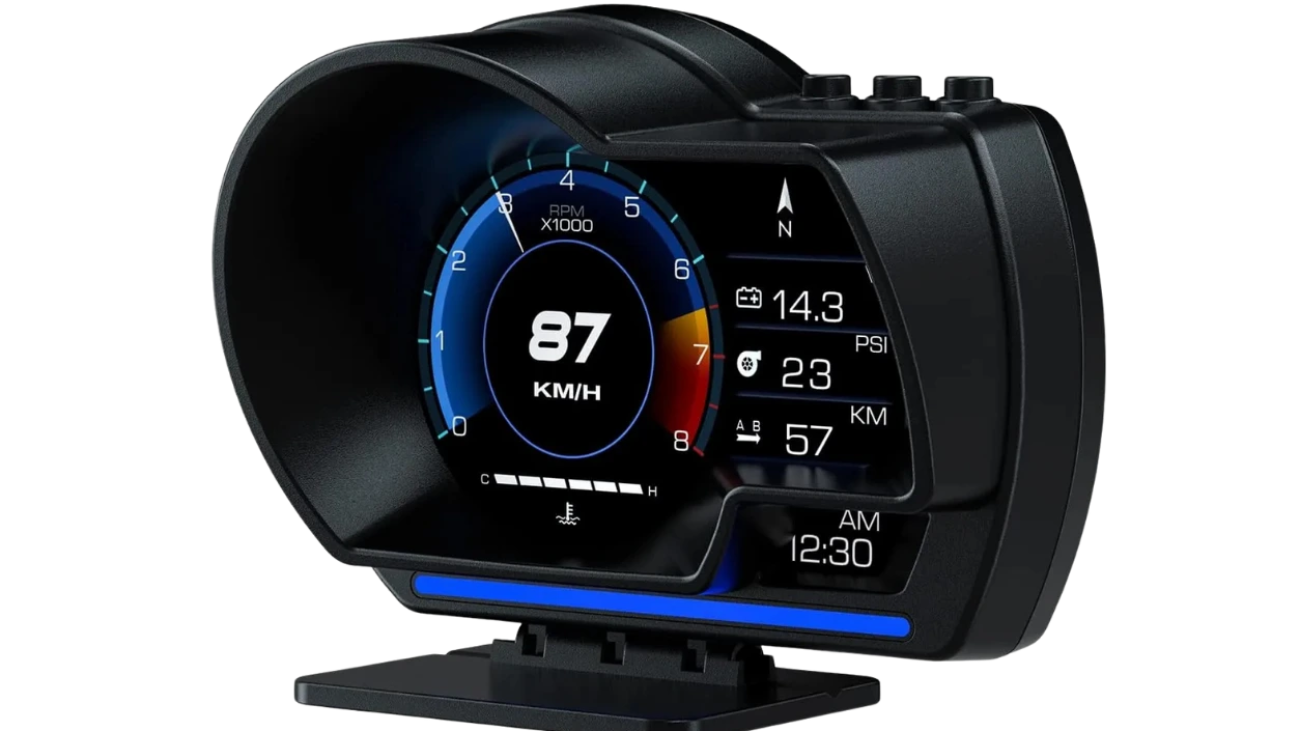
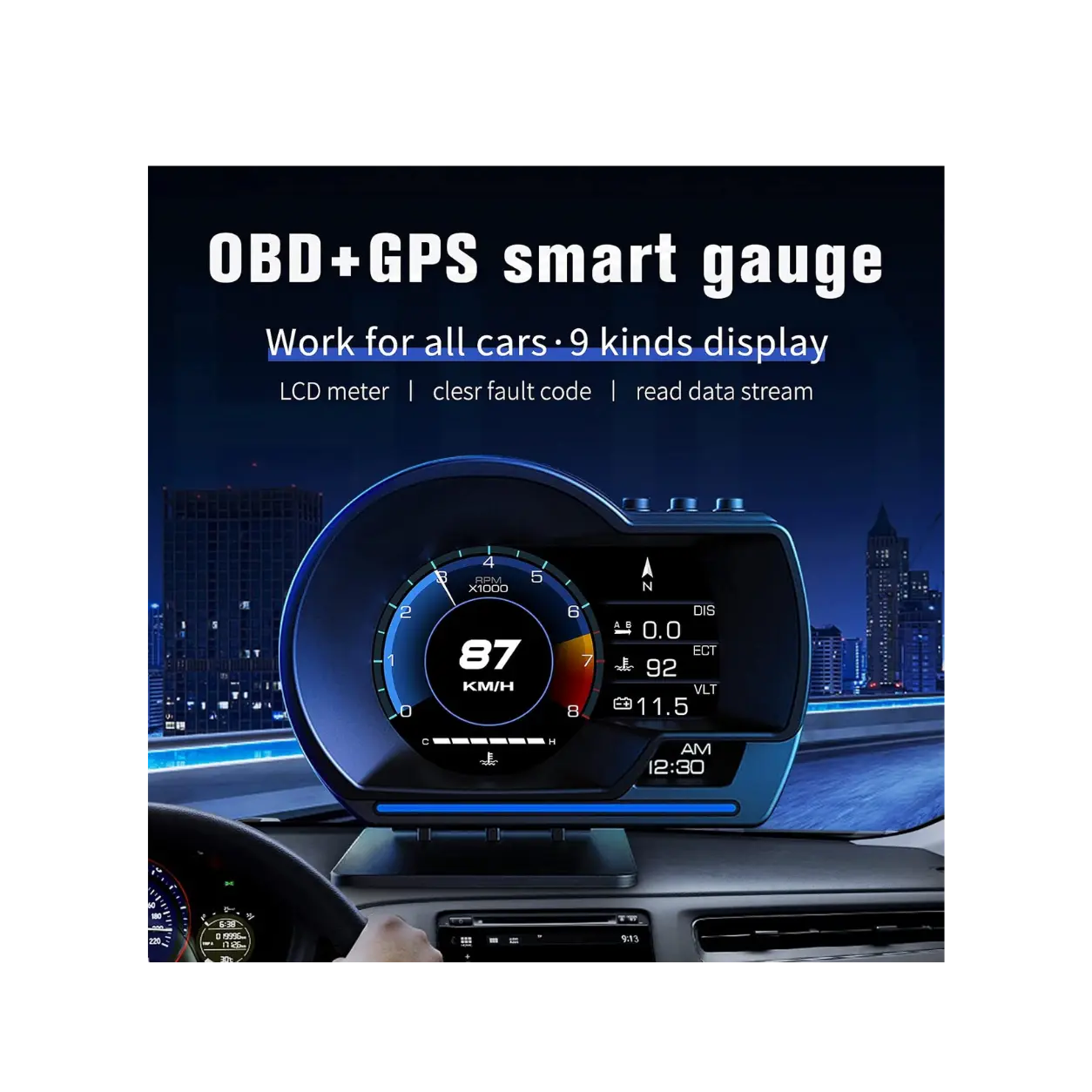
A GPS speedometer bypasses all of those mechanical transmission issues. It is a compact, modern gadget that links directly to global positioning satellites to track your true speed with absolute zero-lag precision.

Top Benefits of Using a GPS Speedometer in Your Vehicle

Upgrading your dashboard with a dedicated satellite tracker brings several practical advantages to your daily commute:

  • Enhanced Road Safety & Clear Visibility: Standard dashboards force you to look down, taking your eyes off the road. Many GPS units feature Head-Up Displays (HUD) that project your speed directly onto the windshield so you can keep your eyes forward.
  • Plug-and-Play Simplicity (No Complex OBD Wiring): Unlike heavy diagnostic tools, these devices require zero mechanical installation. Just mount it on your dashboard, plug it into a USB port or cigarette lighter, and it locks onto satellites within seconds.
  • Smart Overspeed & Fatigue Warnings: Long highway drives can make you lose track of pacing. Built-in alarms notify you instantly when you cross set limits, helping you avoid costly tickets.

Types of Speedometers

Depending on your driving habits and budget, you can choose from these common form factors:

  • Smartphone Apps: Ideal for budget-conscious drivers who want instant setup without buying extra hardware. Options like GPS Speedometer Online or mobile apps offer easy tracking and trip logging.
  • Universal Heads-Up Display (HUD): Perfect for safety-focused commuters. These plug-and-play units project speed onto the windshield. You can easily find them online through regional marketplaces like Daraz Sri Lanka.
  • In-Dash Units: Great if you drive a classic car or want a permanent, highly accurate fixture that does not rely on a phone battery.

Key Features to Look For

Before choosing a device, keep an eye out for these essential specifications:

  • HUD Mode: A mirror-flipped display optimized for projecting speed onto the windshield during safe night driving.
  • Update Frequency: Look for a high-refresh antenna (like 10 Hz) so speed readings transition smoothly as you accelerate or brake.
  • Speed Alerts: Audio or visual warnings that notify you gently when crossing speed thresholds.
  • Battery and Signal Optimization: For app users, choose software built to reduce phone battery drain. For hardware units, ensure a clear line of sight to the sky.

Final Verdict: Is It Worth Upgrading Your Dashboard?

Upgrading your daily drive with a reliable GPS speedometer adds a modern touch to any vehicle while making your commutes noticeably safer. It is a smart, small investment that pays off every time you hit the road.

Untitled (1200 x 630 px) (1000 x 1000 px) (1)

Why Is Your Check Engine Light On? 7 Common Causes Explained

Driving down the road and suddenly seeing the “Check Engine” light glow can instantly trigger panic, making you fear a major engine breakdown, a massive repair bill, or being stranded.

However, before you stress, take a deep breath. In most cases, this light doesn’t mean your car is about to self-destruct—it can even be triggered by something as simple as a loose gas cap. In this article, we’ll break down what this warning light actually means, the 7 most common reasons it pops up, and what you should do next to protect both your car and your wallet.

What Does the Check Engine Light Mean?

The check engine light is triggered by your car’s onboard computer (ECU) whenever it detects an issue within the engine or emissions system. However, how you should respond depends entirely on the light’s behavior:

  • Solid Light: If the light stays steadily illuminated, your car is usually safe to drive short-term, but you should visit a mechanic soon to diagnose the issue.
  • Flashing Light: If the light is blinking, pull over safely immediately. This is an urgent warning indicating an engine misfire, where unburnt fuel can quickly overheat and permanently destroy your catalytic converter.

7 Common Reasons Why Your Check Engine Light Is On

  1. Loose or Damaged Gas Cap One of the easiest and most common culprits is a faulty or loose gas cap. When the cap doesn’t seal tightly, fuel vapors escape, causing a pressure drop in your fuel system. Fortunately, simply tightening or replacing the cap often clears the warning light.
  2. Faulty Oxygen (O2) Sensor The oxygen sensor monitors the amount of unburned oxygen in your exhaust system. If it fails, your engine’s fuel efficiency drops significantly, and a neglected sensor can eventually cause severe damage to your catalytic converter.
  3. Failing Catalytic Converter Your car’s catalytic converter plays a vital role in reducing harmful emissions by converting toxic gases into safer ones. It rarely breaks down on its own, usually failing because other underlying issues—like a broken O2 sensor or worn spark plugs—were left unchecked for too long.
  4. Worn Spark Plugs and Wires Over time, spark plugs and ignition wires degrade and fail to ignite fuel properly. This causes engine misfires and poor fuel economy. If your check engine light starts flashing, it’s often due to bad spark plugs, signaling you to pull over safely right away.
  5. Mass Airflow (MAF) Sensor Failure The MAF sensor measures the volume of air entering the engine so the computer can calculate the correct amount of fuel needed. When this sensor malfunctions, it sends incorrect data, leading to rough idling, stalling, and poor performance.
  6. Bad Ignition Coils Ignition coils supply the high voltage needed for spark plugs to fire. When a coil goes bad, it stops the plug from working properly, resulting in noticeable engine shaking, a rough idle, and misfires.
  7. Vacuum Leaks and Damaged Hoses Your engine relies on a network of rubber vacuum hoses to manage air pressure and emissions. As these hoses age, they dry out, crack, and leak air, throwing off the delicate air-fuel balance required for smooth engine operation.

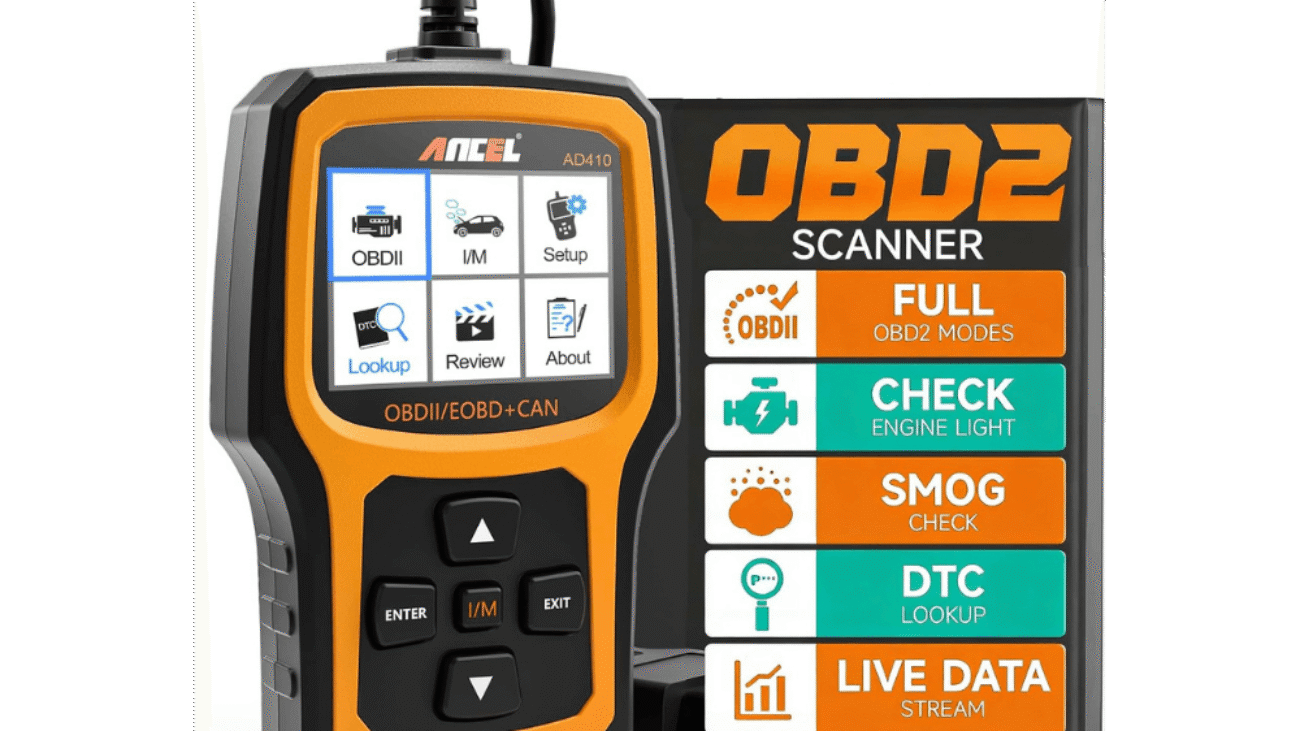
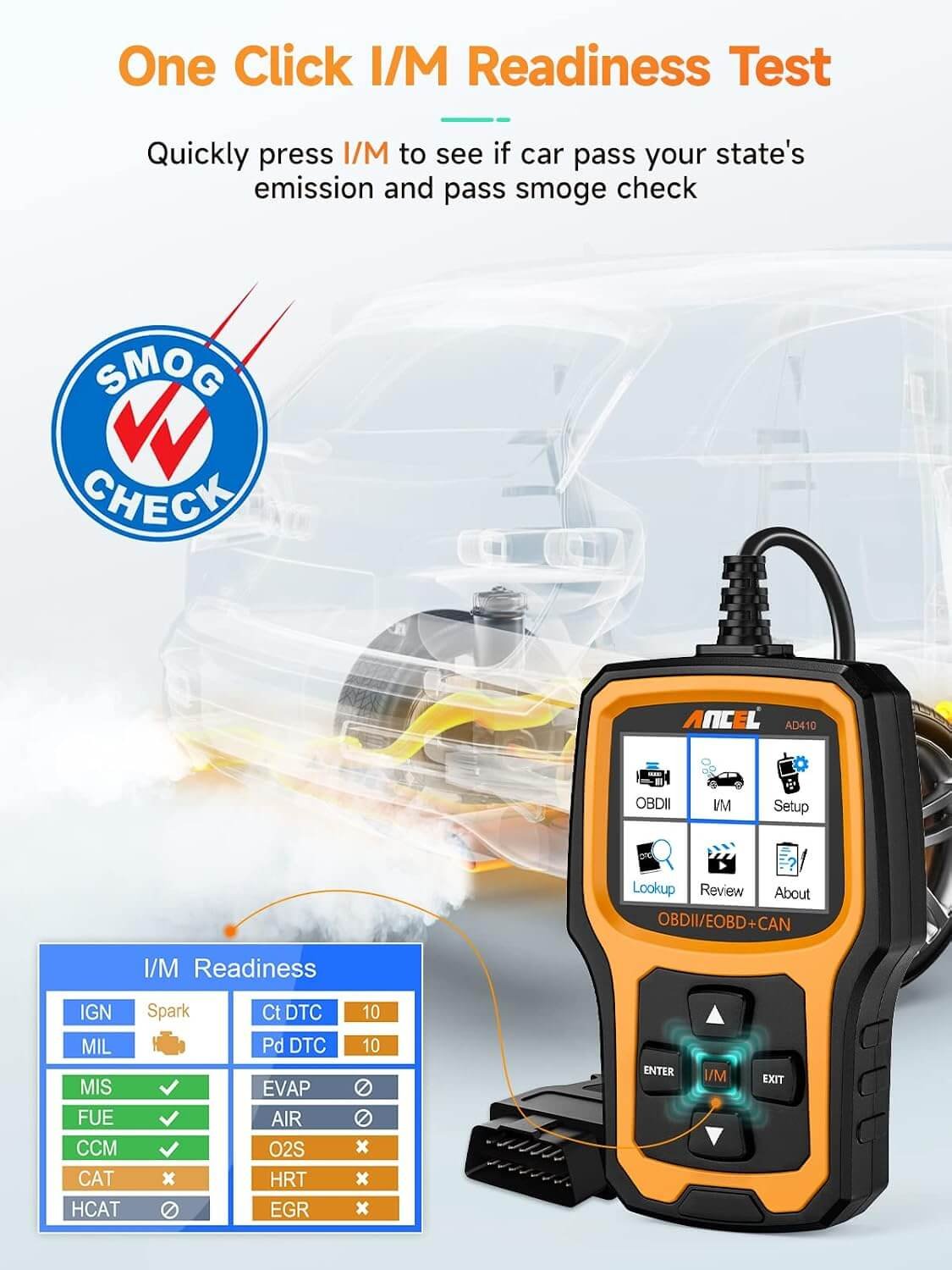
How to Check the Error Code Yourself (OBD-II Scanner)

  • Find the Port: Look under the driver’s side dashboard near your knees or steering column for a small 16-pin plug.
  • Connect the Scanner: With the engine off, plug your scanner in. Turn the ignition to the “On” position (dash lights on, engine off) without starting the car.
  • Read the Code: Turn on the device, select “Read Codes,” and note down any code that pops up (like P0301). Then search it online with your car model.
  • Clear the Code: Once you fix the issue, select “Erase Code” on the scanner to turn off the light, then unplug it.

Is It Safe to Drive with the Check Engine Light On?

The short answer is: It depends on the light.

If the check engine light is solid, your car is generally safe to drive for a short distance—like driving home or straight to a mechanic. However, you shouldn’t ignore it for weeks.

On the other hand, if the light is flashing or blinking, you must stop driving immediately and pull over in a safe spot. A flashing light means unburnt fuel is entering the exhaust, which can quickly overheat and completely destroy your catalytic converter, leading to a massive repair bill.

Conclusion

Dealing with a check engine light doesn’t have to be a stressful nightmare. Most of the time, it’s just a reminder to tighten your gas cap or swap out an old part before it causes bigger trouble.

The golden rule to remember is simple: a steady light means book a mechanic appointment soon, while a flashing light means pull over right now. By keeping an eye on your car’s symptoms, scanning error codes early, and taking care of minor fixes before they snowball, you’ll save yourself from massive repair bills and keep your ride running smoothly for miles to come.

Untitled (1000 x 1000 px) (5)

Why Does My Car Battery Keep Dying? 7 Common Causes

Have you ever gone to start your car only to hear a clicking sound, or found that the engine won’t start at all? If your car battery keeps dying, you’re probably wondering what is causing the problem.

A dead battery doesn’t always mean that the battery itself needs to be replaced. There can be several reasons why a battery repeatedly loses its charge, including electrical problems, driving habits, an aging battery, or a charging-system issue.

In this guide, we’ll look at some of the most common reasons your car battery keeps dying and what you can do about them.

1. Your Car Battery Is Old

Car batteries have a limited lifespan. As a battery gets older, its ability to hold and deliver a strong charge gradually decreases.

An aging battery may still start your car normally one day but struggle the next. This can become especially noticeable when the battery is exposed to extreme temperatures or when the vehicle isn’t driven regularly.

If your battery is several years old and you’re experiencing repeated starting problems, having it professionally tested can help determine whether it is time for a replacement.

2. You Left the Lights or Electronics On

One of the simplest reasons a car battery can die is leaving an electrical component switched on after turning off the engine.

Headlights, interior lights, radios, phone chargers, and other accessories can continue using battery power while the engine is off.

If this happens for several hours or overnight, the battery may not have enough power left to start the vehicle.

Tip: Before leaving your car, check that the headlights, interior lights, and other unnecessary electrical accessories are turned off.

3. Your Car Isn’t Being Driven Often

A car that sits unused for long periods can also develop battery problems.

Even when the engine is switched off, some vehicle systems continue to consume a small amount of electrical power. Normally, driving the car allows the alternator to recharge the battery.

If your vehicle stays parked for days or weeks at a time, the battery can gradually lose its charge.

If you don’t drive frequently, regular use or an appropriate battery-maintenance solution may help keep the battery in better condition.

4. Why Does My Car Battery Keep Dying Overnight?

If your car battery keeps dying overnight, even when you are sure the lights were turned off, there could be an electrical drain somewhere in the vehicle.

This is sometimes called a parasitic drain. It happens when an electrical component continues drawing power after the vehicle has been switched off.

Possible causes can include:

  • Interior lights that don’t switch off properly
  • Aftermarket electronics
  • Alarm systems
  • Dash cameras
  • Faulty switches
  • Other electrical components

If your battery repeatedly dies overnight, it is worth having the vehicle’s electrical system checked by a qualified mechanic.

5. Why Does My Car Battery Keep Dying After Replacement?

If you have installed a new battery but it keeps going flat, the battery may not actually be the problem.

A new battery can still become discharged if something in the vehicle is continuously using power or if the charging system isn’t working correctly.

Some possible causes include:

  • A faulty alternator
  • Parasitic electrical drain
  • Loose or corroded battery connections
  • Faulty electrical components
  • Very short or infrequent driving trips

If a replacement battery is also losing its charge, repeatedly replacing batteries may not solve the real problem. It’s better to have the charging and electrical systems inspected.

6. Common Car Battery Drain Causes

There are many possible car battery drain causes, but some are more common than others.

Here are a few things to consider if your battery keeps going flat:

Leaving lights or electronics on: Even a small electrical load can drain a battery if it remains active for a long time.

Old battery: An aging battery may no longer be able to hold enough charge.

Faulty alternator: If the alternator isn’t charging correctly while the engine is running, the battery can gradually lose power.

Loose or corroded connections: Poor connections can interfere with the electrical system and charging process.

Parasitic drain: A faulty electrical component may continue using battery power when the vehicle is parked.

Finding the actual cause is important because simply replacing the battery may not fix the underlying problem.

7. What Should You Keep in Your Car for a Dead Battery?

Even if your battery is in good condition, unexpected problems can happen.

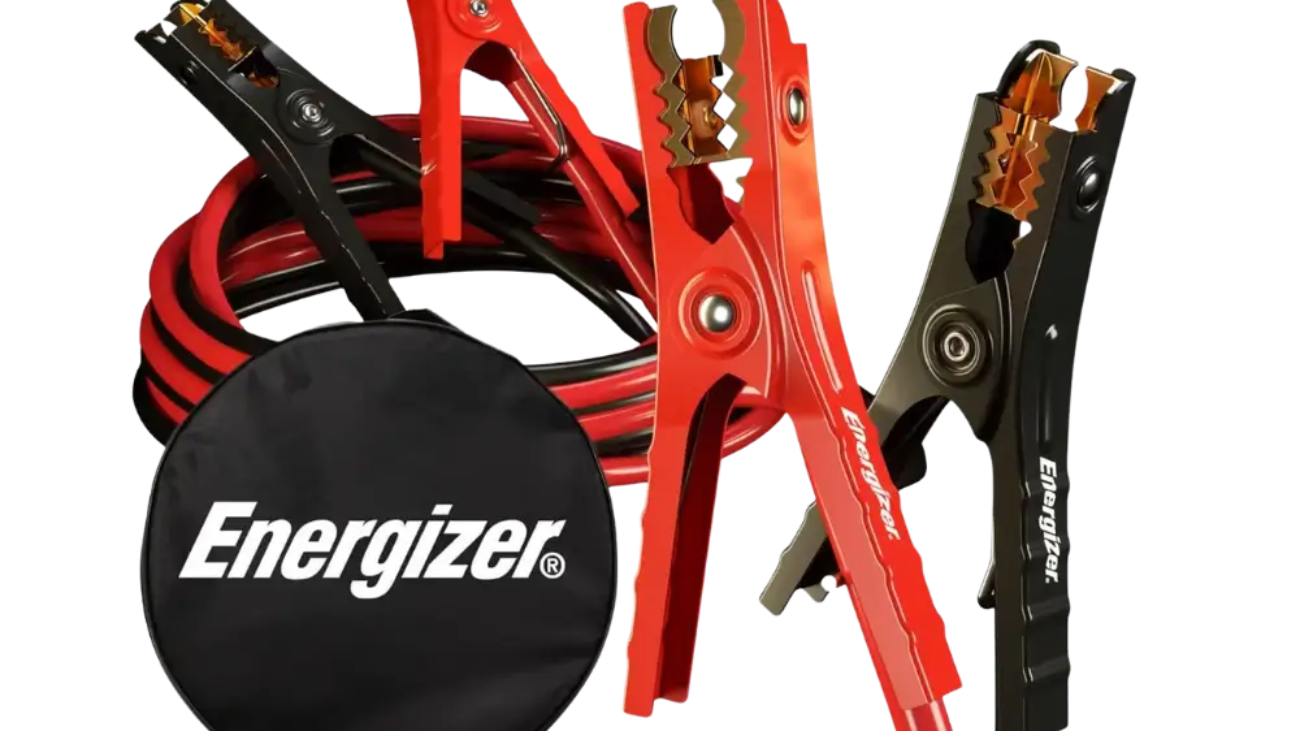
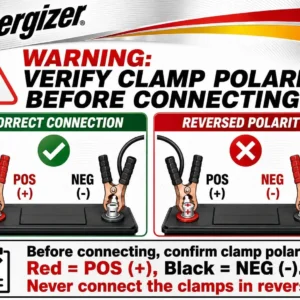
One useful emergency accessory to keep in your vehicle is a set of jumper cables. They can help you jump-start a vehicle when the battery is dead or too weak to start the engine, provided another suitable vehicle is available and the cables are used correctly.

Recommended Car Emergency Accessory

Energizer Jumper Cables – 16 Feet, 6-Gauge


These heavy-duty jumper cables are designed for jump-starting vehicles with dead or weak batteries. The 16-foot length can provide useful flexibility when positioning vehicles, and the included carrying bag makes them convenient to store in your car.

Why keep jumper cables in your car?

  • Useful for dead or weak battery emergencies
  • 16-foot cable length
  • 6-gauge heavy-duty cables
  • Carrying bag included
  • Easy to keep in your vehicle for emergencies

Remember that jumper cables are an emergency solution. They don’t repair a damaged battery or fix the reason your battery keeps dying.

When Should You Replace Your Car Battery?

You may want to have your battery tested if you notice:

  • Your engine takes longer than usual to start
  • Your battery repeatedly goes flat
  • You hear clicking when trying to start the car
  • Your headlights appear unusually dim
  • Your battery is several years old
  • You have needed to jump-start your car multiple times

A professional battery and charging-system test can help determine whether the battery needs replacement or whether another problem is causing the repeated discharge.

Final Thoughts

If your car battery keeps dying, don’t immediately assume that you need another battery.

The cause could be something simple, such as leaving your lights on, or something more complicated, such as a parasitic electrical drain or charging-system problem.

Pay attention to when the battery dies and how frequently it happens. If the problem continues, having the battery, alternator, connections, and electrical system checked can help identify the real cause.

And as a simple precaution, keeping a reliable set of jumper cables in your vehicle can be useful if you ever find yourself dealing with a dead or weak battery.

Frequently Asked Questions (FAQ)

Can a car battery keep dying even if it is new?

Yes. A new battery can still lose its charge because of an electrical drain, alternator problem, poor connections, or another issue with the vehicle.

Why does my car battery keep dying overnight?

A battery that repeatedly dies overnight may be affected by a parasitic electrical drain, lights that remain on, a weak battery, or a charging-system problem.

Can jumper cables fix a dead car battery?

Jumper cables can help start a vehicle with a dead or weak battery when used correctly. However, they don’t repair the battery or fix the underlying problem that caused it to lose its charge.

How long does a car battery usually last?

Battery lifespan varies depending on the battery, vehicle, climate, driving habits, and maintenance. If your battery frequently struggles to start the car, having it tested is a good idea.

Should I replace my battery if it keeps dying?

Not necessarily. If the battery keeps dying, first determine why. A faulty alternator, parasitic drain, poor connection, or other electrical problem could be responsible.

Top 3 Must-Have Amazon Car Gadgets in 2026

Looking to make your daily drives safer easier and more convenient? Amazon has thousands of useful car accessories and gadgets designed to make everyday driving more comfortable and practical. From recording your journeys to keeping your phone charged and your tires ready for the road these are 3 must-have Amazon car gadgets worth checking out in 2026.

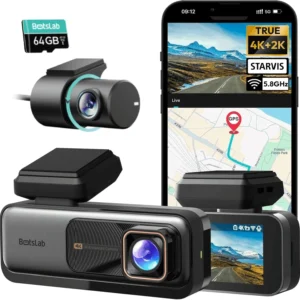
1. Smart Dash Cam

A smart dash cam continuously records the road while you drive and can provide valuable footage if an accident or unexpected incident occurs. Modern models can offer features such as high-resolution recording night vision wide-angle coverage and parking monitoring.

Best For: Drivers who want added road safety and video evidence

Check Price On Amazon


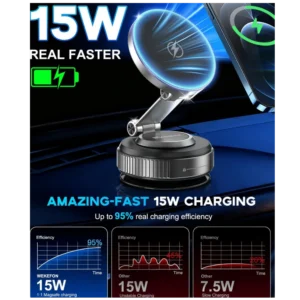
2. Wireless Car Charger Mount

Keep your smartphone charged and accessible with a wireless car charger mount. It combines phone mounting and wireless charging making it especially useful when you’re using navigation during long drives.

Best For: Drivers who use their smartphone for navigation and need convenient charging

Check Price On Amazon


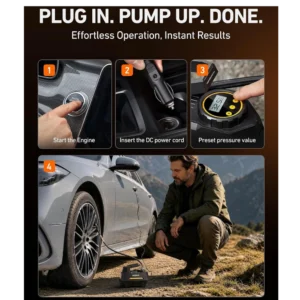
3. Portable Tire Inflator

A portable tire inflator is a handy emergency gadget to keep in your vehicle. If your tire pressure drops while you’re away from a service station you can use the compact inflator to add air and get back on the road more conveniently.

Best For: Drivers who want quick and convenient tire inflation during emergencies or road trips

Check Price On Amazon


Top 3 Must-Have Smart Home & Desk Gadgets in 2026

echnology is transforming the way we work, relax, and manage our homes. In 2026, smart home and desk gadgets are making work-from-home setups more productive, organized, and convenient.

From reducing cable clutter to automating everyday appliances, the right gadgets can make a noticeable difference to your daily routine. Here are 5 smart home and desk gadgets worth checking out in 2026.

1. Smart Home Display

A smart home display can act as a convenient control center for compatible smart-home devices. Depending on the model, you can use it for calendars, timers, weather, music, video calls, and controlling connected devices.

Best for: Smart homes, kitchens, bedrooms, and home offices.

Check Price On Amazon


2. Compact Desktop Air Purifier

A compact desktop air purifier is designed for personal workspaces, bedrooms, and other smaller areas. Models with appropriate filtration systems can help reduce airborne particles while taking up relatively little space on your desk.

Best for: Home offices, bedrooms, and small workspaces.

Check Price On Amazon


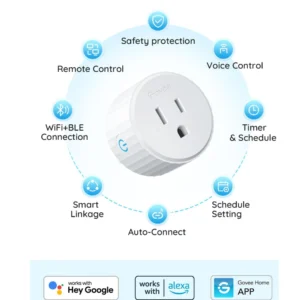
3. Wi-Fi Smart Plug

Turn ordinary appliances into smarter devices with a Wi-Fi smart plug. You can control compatible devices remotely, create schedules, and automate everyday routines using a smartphone or compatible smart-home platform

Best for: Lamps, fans, coffee makers, and simple home automation.

Check Price On Amazon

Top 3 Amazon Gadgets You Must Have in 2026

Looking for smart and useful gadgets that can make everyday life easier? Amazon is packed with innovative products, but finding the ones actually worth buying can be difficult. Here are 5 Amazon gadgets you should consider in 2026 for your car, home, kitchen, and everyday tech setup.

1. 3-in-1 MagSafe Wireless Charger

Tired of using multiple charging cables? A 3-in-1 MagSafe charging stand lets you charge your iPhone, Apple Watch, and AirPods in one convenient place. It’s a great choice for keeping your desk organized while reducing cable clutter.

Best for: Apple users and desk setups.

Check Price on Amazon

2. Portable Mini Fridge

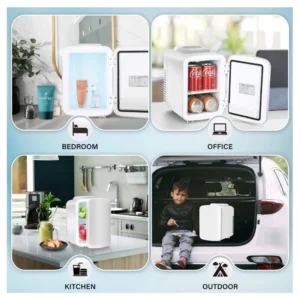
A compact portable mini fridge is useful for keeping drinks, snacks, skincare products, and other items cool. Its small size makes it convenient for a bedroom, office, dorm, or even a road trip.

Best for: Road trips, offices, bedrooms, and small spaces.

Check Price on Amazon


3. Car Jump Starter

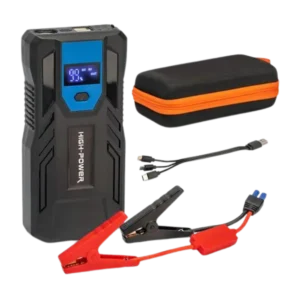
A portable car jump starter can be an extremely useful emergency gadget. Instead of depending entirely on another vehicle when your battery dies, a suitable jump starter can give you an additional option when you’re stranded.

Best for: Drivers and emergency preparedness.

Check Price On Amazon