

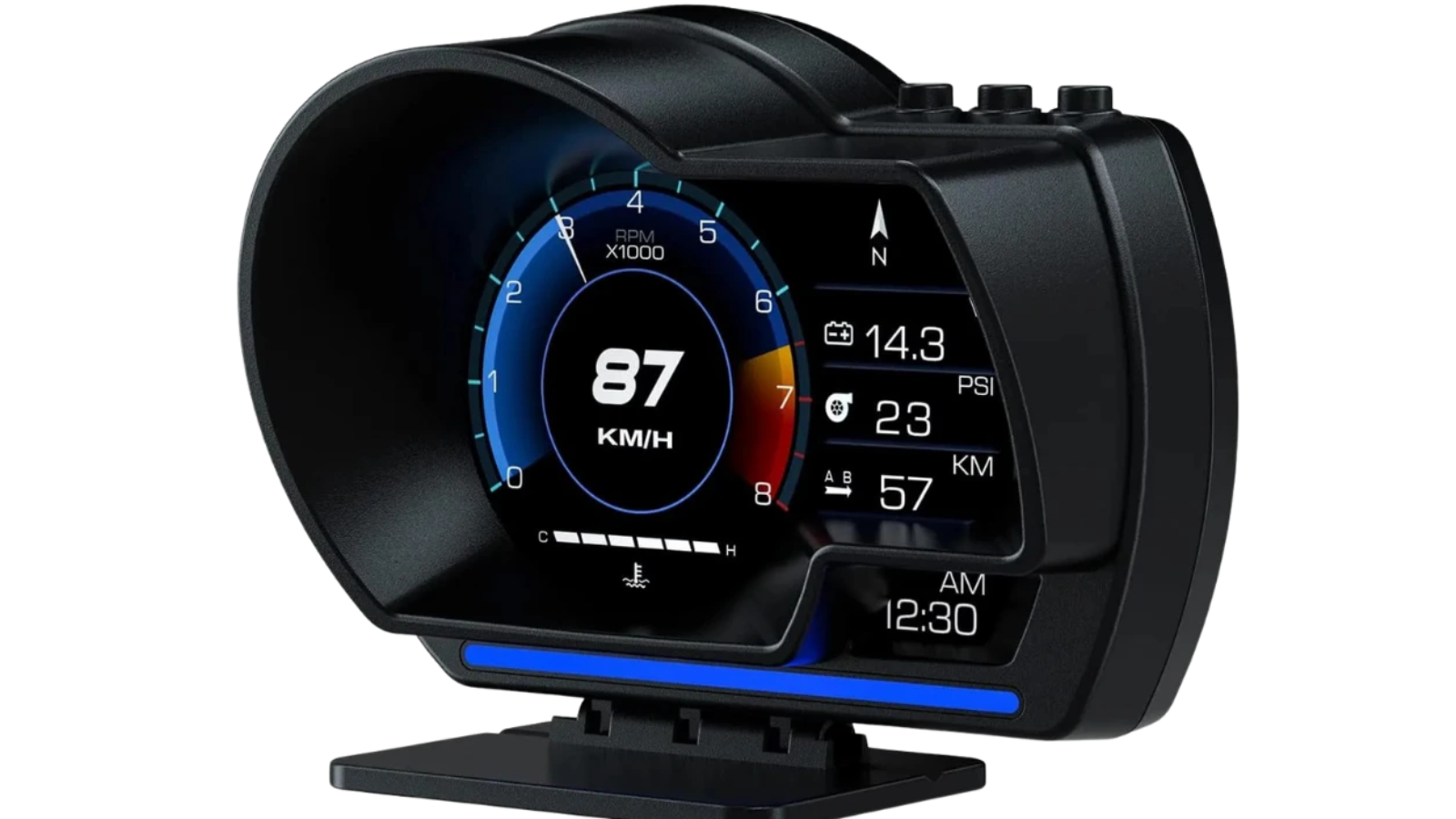
GPS speedometers deliver real-time velocity calculations using satellite signals. They offer a level of precision that traditional mechanical systems simply cannot match.
The gap between what your car’s factory speedometer shows and your actual speed can often be significant. Sometimes it is off by 5 to 10 mph due to tire wear, changing gear ratios, and calibration drift.
GPS-based alternatives completely eliminate these hidden variables. They calculate your exact speed directly from satellite positioning data.
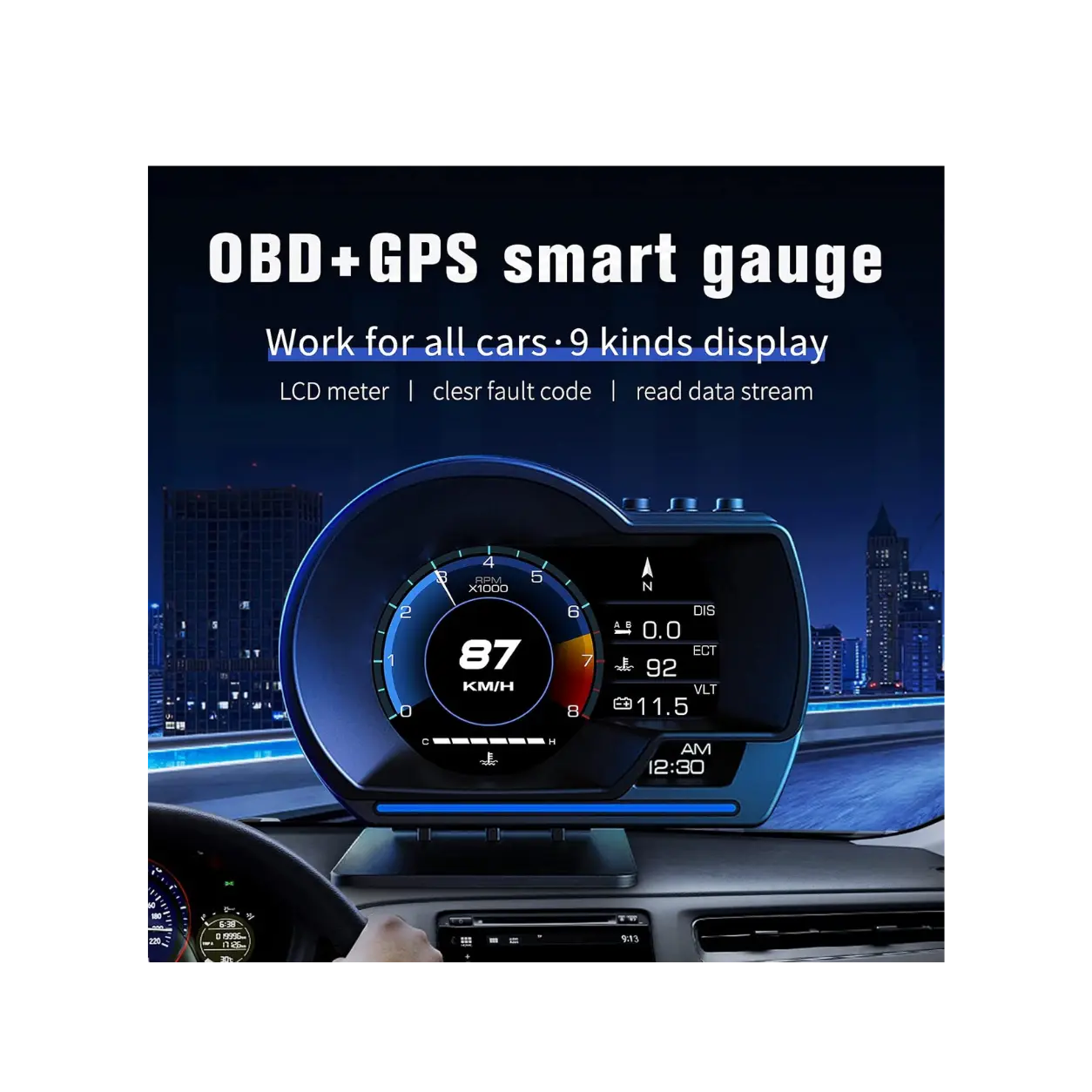
What is a GPS Speedometer for Car and How Does It Work?
Have you ever wondered why your car’s factory speedometer sometimes doesn’t match a roadside radar sign? Traditional factory gauges rely on mechanical cables and gear ratios attached to your transmission.
Over time, changing your tire size, natural wear and tear, or calibration drift will throw off those readings.
A GPS speedometer bypasses all of those mechanical transmission issues. It is a compact, modern gadget that links directly to global positioning satellites to track your true speed with absolute zero-lag precision.
Top Benefits of Using a GPS Speedometer in Your Vehicle
Upgrading your dashboard with a dedicated satellite tracker brings several practical advantages to your daily commute:
- Enhanced Road Safety & Clear Visibility: Standard dashboards force you to look down, taking your eyes off the road. Many GPS units feature Head-Up Displays (HUD) that project your speed directly onto the windshield so you can keep your eyes forward.
- Plug-and-Play Simplicity (No Complex OBD Wiring): Unlike heavy diagnostic tools, these devices require zero mechanical installation. Just mount it on your dashboard, plug it into a USB port or cigarette lighter, and it locks onto satellites within seconds.
- Smart Overspeed & Fatigue Warnings: Long highway drives can make you lose track of pacing. Built-in alarms notify you instantly when you cross set limits, helping you avoid costly tickets.
Types of Speedometers
Depending on your driving habits and budget, you can choose from these common form factors:
- Smartphone Apps: Ideal for budget-conscious drivers who want instant setup without buying extra hardware. Options like GPS Speedometer Online or mobile apps offer easy tracking and trip logging.
- Universal Heads-Up Display (HUD): Perfect for safety-focused commuters. These plug-and-play units project speed onto the windshield. You can easily find them online through regional marketplaces like Daraz Sri Lanka.
- In-Dash Units: Great if you drive a classic car or want a permanent, highly accurate fixture that does not rely on a phone battery.
Key Features to Look For
Before choosing a device, keep an eye out for these essential specifications:
- HUD Mode: A mirror-flipped display optimized for projecting speed onto the windshield during safe night driving.
- Update Frequency: Look for a high-refresh antenna (like 10 Hz) so speed readings transition smoothly as you accelerate or brake.
- Speed Alerts: Audio or visual warnings that notify you gently when crossing speed thresholds.
- Battery and Signal Optimization: For app users, choose software built to reduce phone battery drain. For hardware units, ensure a clear line of sight to the sky.
Final Verdict: Is It Worth Upgrading Your Dashboard?
Upgrading your daily drive with a reliable GPS speedometer adds a modern touch to any vehicle while making your commutes noticeably safer. It is a smart, small investment that pays off every time you hit the road.