

Have you ever gone to start your car only to hear a clicking sound, or found that the engine won’t start at all? If your car battery keeps dying, you’re probably wondering what is causing the problem.
A dead battery doesn’t always mean that the battery itself needs to be replaced. There can be several reasons why a battery repeatedly loses its charge, including electrical problems, driving habits, an aging battery, or a charging-system issue.
In this guide, we’ll look at some of the most common reasons your car battery keeps dying and what you can do about them.
1. Your Car Battery Is Old
Car batteries have a limited lifespan. As a battery gets older, its ability to hold and deliver a strong charge gradually decreases.
An aging battery may still start your car normally one day but struggle the next. This can become especially noticeable when the battery is exposed to extreme temperatures or when the vehicle isn’t driven regularly.
If your battery is several years old and you’re experiencing repeated starting problems, having it professionally tested can help determine whether it is time for a replacement.
2. You Left the Lights or Electronics On
One of the simplest reasons a car battery can die is leaving an electrical component switched on after turning off the engine.
Headlights, interior lights, radios, phone chargers, and other accessories can continue using battery power while the engine is off.
If this happens for several hours or overnight, the battery may not have enough power left to start the vehicle.
Tip: Before leaving your car, check that the headlights, interior lights, and other unnecessary electrical accessories are turned off.
3. Your Car Isn’t Being Driven Often
A car that sits unused for long periods can also develop battery problems.
Even when the engine is switched off, some vehicle systems continue to consume a small amount of electrical power. Normally, driving the car allows the alternator to recharge the battery.
If your vehicle stays parked for days or weeks at a time, the battery can gradually lose its charge.
If you don’t drive frequently, regular use or an appropriate battery-maintenance solution may help keep the battery in better condition.
4. Why Does My Car Battery Keep Dying Overnight?
If your car battery keeps dying overnight, even when you are sure the lights were turned off, there could be an electrical drain somewhere in the vehicle.
This is sometimes called a parasitic drain. It happens when an electrical component continues drawing power after the vehicle has been switched off.
Possible causes can include:
- Interior lights that don’t switch off properly
- Aftermarket electronics
- Alarm systems
- Dash cameras
- Faulty switches
- Other electrical components
If your battery repeatedly dies overnight, it is worth having the vehicle’s electrical system checked by a qualified mechanic.
5. Why Does My Car Battery Keep Dying After Replacement?
If you have installed a new battery but it keeps going flat, the battery may not actually be the problem.
A new battery can still become discharged if something in the vehicle is continuously using power or if the charging system isn’t working correctly.
Some possible causes include:
- A faulty alternator
- Parasitic electrical drain
- Loose or corroded battery connections
- Faulty electrical components
- Very short or infrequent driving trips
If a replacement battery is also losing its charge, repeatedly replacing batteries may not solve the real problem. It’s better to have the charging and electrical systems inspected.
6. Common Car Battery Drain Causes
There are many possible car battery drain causes, but some are more common than others.
Here are a few things to consider if your battery keeps going flat:
Leaving lights or electronics on: Even a small electrical load can drain a battery if it remains active for a long time.
Old battery: An aging battery may no longer be able to hold enough charge.
Faulty alternator: If the alternator isn’t charging correctly while the engine is running, the battery can gradually lose power.
Loose or corroded connections: Poor connections can interfere with the electrical system and charging process.
Parasitic drain: A faulty electrical component may continue using battery power when the vehicle is parked.
Finding the actual cause is important because simply replacing the battery may not fix the underlying problem.
7. What Should You Keep in Your Car for a Dead Battery?
Even if your battery is in good condition, unexpected problems can happen.
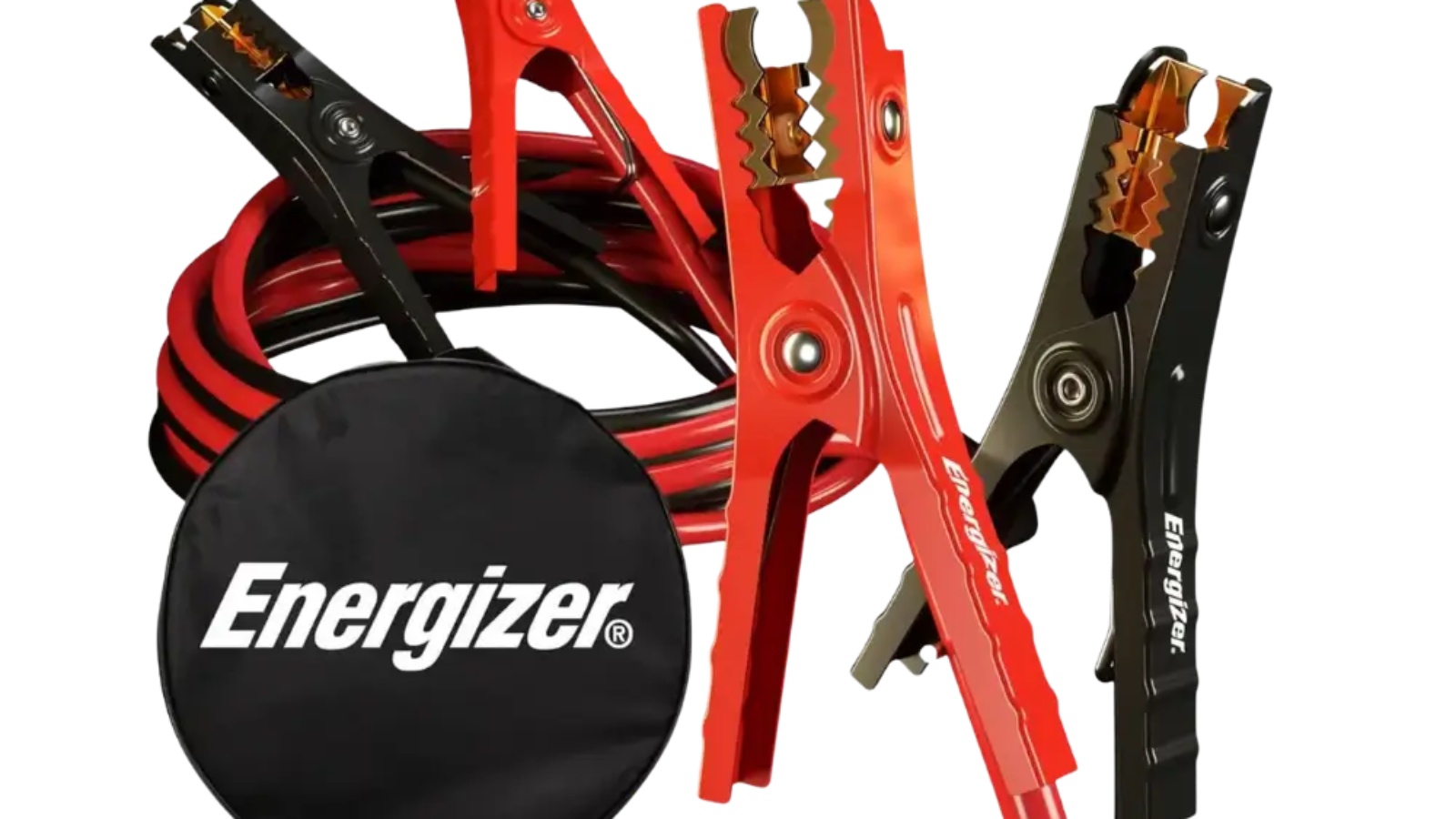
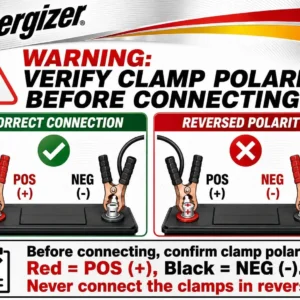
One useful emergency accessory to keep in your vehicle is a set of jumper cables. They can help you jump-start a vehicle when the battery is dead or too weak to start the engine, provided another suitable vehicle is available and the cables are used correctly.
Recommended Car Emergency Accessory
Energizer Jumper Cables – 16 Feet, 6-Gauge
These heavy-duty jumper cables are designed for jump-starting vehicles with dead or weak batteries. The 16-foot length can provide useful flexibility when positioning vehicles, and the included carrying bag makes them convenient to store in your car.
Why keep jumper cables in your car?
- Useful for dead or weak battery emergencies
- 16-foot cable length
- 6-gauge heavy-duty cables
- Carrying bag included
- Easy to keep in your vehicle for emergencies
Remember that jumper cables are an emergency solution. They don’t repair a damaged battery or fix the reason your battery keeps dying.
When Should You Replace Your Car Battery?
You may want to have your battery tested if you notice:
- Your engine takes longer than usual to start
- Your battery repeatedly goes flat
- You hear clicking when trying to start the car
- Your headlights appear unusually dim
- Your battery is several years old
- You have needed to jump-start your car multiple times
A professional battery and charging-system test can help determine whether the battery needs replacement or whether another problem is causing the repeated discharge.
Final Thoughts
If your car battery keeps dying, don’t immediately assume that you need another battery.
The cause could be something simple, such as leaving your lights on, or something more complicated, such as a parasitic electrical drain or charging-system problem.
Pay attention to when the battery dies and how frequently it happens. If the problem continues, having the battery, alternator, connections, and electrical system checked can help identify the real cause.
And as a simple precaution, keeping a reliable set of jumper cables in your vehicle can be useful if you ever find yourself dealing with a dead or weak battery.
Frequently Asked Questions (FAQ)
Can a car battery keep dying even if it is new?
Yes. A new battery can still lose its charge because of an electrical drain, alternator problem, poor connections, or another issue with the vehicle.
Why does my car battery keep dying overnight?
A battery that repeatedly dies overnight may be affected by a parasitic electrical drain, lights that remain on, a weak battery, or a charging-system problem.
Can jumper cables fix a dead car battery?
Jumper cables can help start a vehicle with a dead or weak battery when used correctly. However, they don’t repair the battery or fix the underlying problem that caused it to lose its charge.
How long does a car battery usually last?
Battery lifespan varies depending on the battery, vehicle, climate, driving habits, and maintenance. If your battery frequently struggles to start the car, having it tested is a good idea.
Should I replace my battery if it keeps dying?
Not necessarily. If the battery keeps dying, first determine why. A faulty alternator, parasitic drain, poor connection, or other electrical problem could be responsible.